1. 春节:中国最重要的传统节日
Spring Festival is the most important traditional festival in China. It usually comes in January or February. Before the festival, people clean their houses and buy new clothes. They also buy red lanterns and couplets to decorate their homes. On New Year’s Eve, families get together and have a big dinner. Dumplings are a popular food during this time. Children get lucky money in red envelopes. Everyone wishes each other a happy new year.
春节是中国最重要的传统节日。它通常在一月或二月到来。节日前,人们会打扫房屋,购买新衣服,还会买红灯笼和春联来装饰家里。除夕夜,家人团聚,吃一顿丰盛的年夜饭。饺子是这个时期受欢迎的食物。孩子们会收到装在红包里的压岁钱。大家互相祝福新年快乐。
✍️点评与重点:本文使用了基础词汇如“clean”、“buy”、“get together”等,适合初中生学习。句型简单清晰,如“There be”句型和一般现在时。重点词汇:Spring Festival(春节)、lucky money(压岁钱)、red envelopes(红包)、couplets(春联)。
2. 中秋节:团圆与赏月的节日
The Mid-Autumn Festival is a time for family reunion. It falls on the 15th day of the eighth lunar month. On this night, the moon is round and bright. Families sit together outside and enjoy mooncakes while looking at the moon. Mooncakes are sweet and come in many flavors, like lotus seed, red bean, and egg yolk. Some people also light lanterns and tell stories about Chang’e, the Moon Goddess.
中秋节是家人团聚的节日。它在农历八月十五这一天。这晚的月亮又圆又亮。家人一起坐在户外,一边赏月一边品尝月饼。月饼香甜可口,有莲蓉、豆沙和蛋黄等多种口味。有些人还会点灯笼,讲述关于月宫仙子嫦娥的故事。
✍️点评与重点:文章使用了“falls on”(在……时候)、“enjoy”、“flavors”等实用词汇。句型结构多样,如“while looking at the moon”为现在分词作伴随状语。重点表达:family reunion(家人团聚)、mooncakes(月饼)、lunar month(农历月)、Chang’e(嫦娥)。
3. 端午节:纪念屈原的传统节日
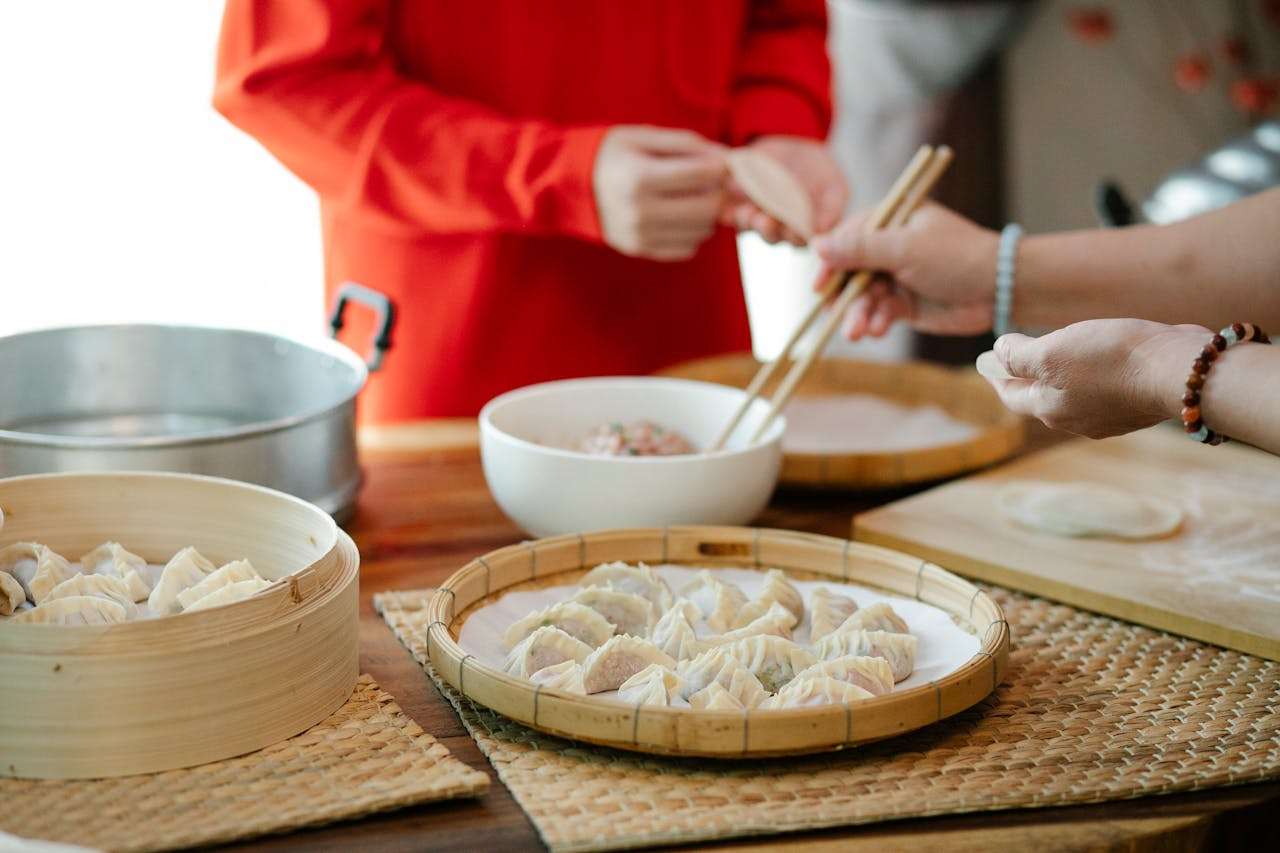
The Dragon Boat Festival is celebrated on the fifth day of the fifth lunar month. It is to remember Qu Yuan, a great poet from ancient China. People eat zongzi, which are sticky rice dumplings wrapped in bamboo leaves. There are also dragon boat races. Teams row long boats that look like dragons. The races are exciting and draw many people to watch. This festival shows Chinese people’s love for their history and culture.
端午节在农历五月初五庆祝,是为了纪念中国古代伟大的诗人屈原。人们吃粽子,粽子是用竹叶包裹的糯米团。还有赛龙舟活动。参赛队伍划着长长的、形似龙的船。比赛非常精彩,吸引许多人观看。这个节日体现了中国人对历史和文化的热爱。
✍️点评与重点:使用了“celebrated”、“wrapped”、“draw”等动词过去分词作定语,提升语言层次。句型如“which are…”引导定语从句,适合初中高年级学习。关键词汇:Dragon Boat Festival(端午节)、zongzi(粽子)、Qu Yuan(屈原)、dragon boat races(赛龙舟)。
4. 清明节:缅怀先人的日子
Qingming Festival is also called Tomb-Sweeping Day. It comes around April 4th or 5th every year. On this day, families visit the graves of their ancestors. They clean the tombs, offer flowers, and burn paper money. It is a quiet and respectful time. People also go for spring outings and fly kites. This festival teaches us to remember and honor our family roots.
清明节也叫扫墓节,每年大约在4月4日或5日。这一天,家人会去祖先的墓地祭拜。他们打扫墓地,献上鲜花,焚烧纸钱。这是一个安静而庄重的时刻。人们也会去春游、放风筝。这个节日教会我们铭记并尊重家族的根源。
✍️点评与重点:文章使用了“visit the graves”、“offer flowers”、“burn paper money”等具体动词短语,生动描述习俗。句式简洁,适合模仿写作。重点表达:Tomb-Sweeping Day(扫墓节)、ancestors(祖先)、spring outings(春游)、honor our roots(尊重根源)。
5. 元宵节:春节的尾声与灯会之夜
The Lantern Festival marks the end of the Spring Festival. It is on the 15th day of the first lunar month. People eat sweet rice balls called yuanxiao or tangyuan. These balls stand for family unity. In the evening, streets are full of colorful lanterns. Some lanterns have riddles on them. People guess the answers for fun. Children carry small lanterns and walk around happily. It is a joyful and bright night.
元宵节标志着春节的结束,时间为农历正月十五。人们吃一种叫元宵或汤圆的甜糯米团,象征家庭团圆。晚上,街道上挂满五彩缤纷的灯笼。有些灯笼上写着谜语,人们猜谜取乐。孩子们提着小灯笼开心地走来走去。这是一个欢乐而明亮的夜晚。
✍️点评与重点:使用“marks the end of”(标志着……的结束)、“stand for”(象征)等短语,增强表达力。描述性语言丰富,如“colorful lanterns”、“joyful and bright night”。关键词汇:Lantern Festival(元宵节)、yuanxiao / tangyuan(元宵/汤圆)、riddles(谜语)、family unity(家庭团圆)。
👉 关注 水滴英语作文网,每天进步一点点,英语写作更出色!